
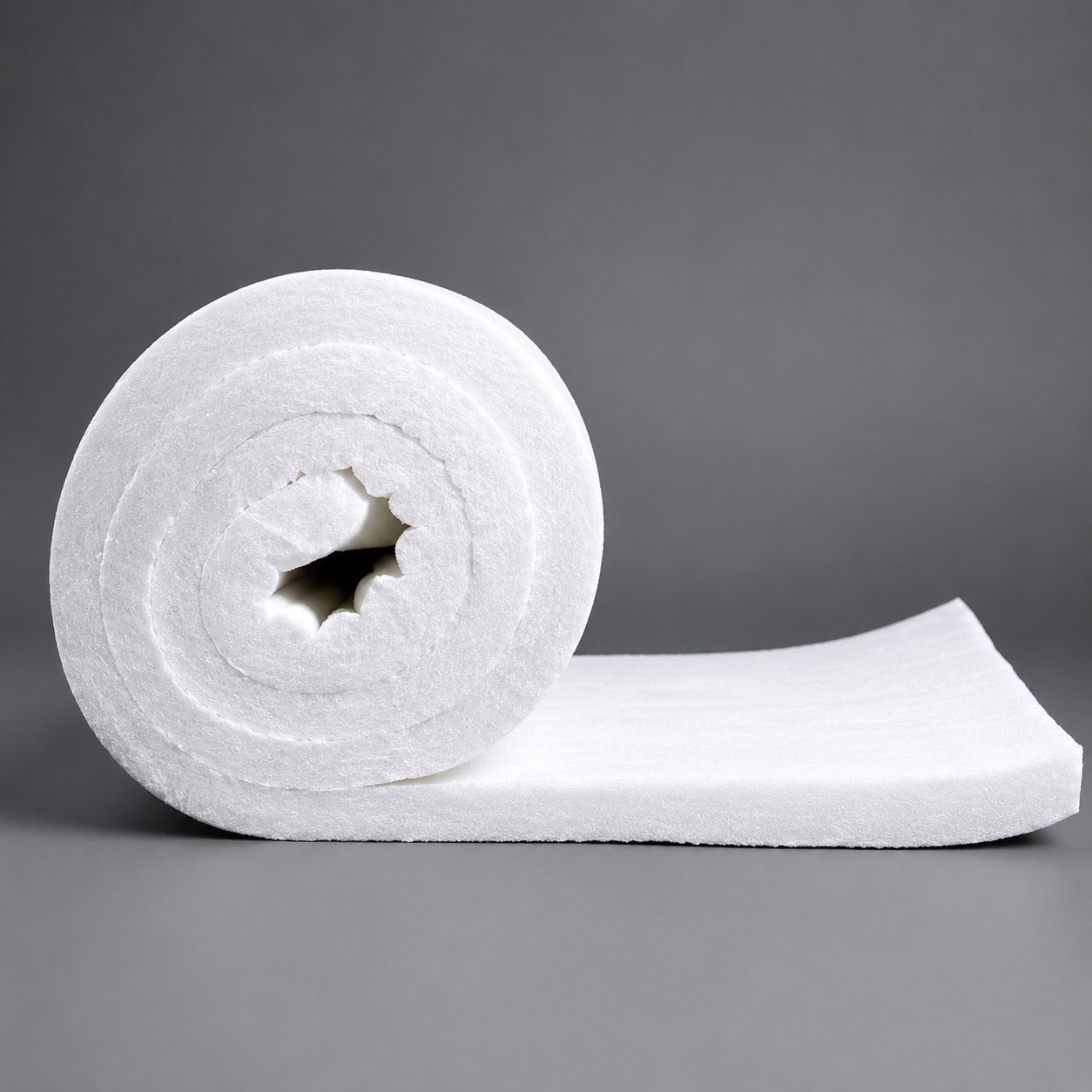
Ceramic Fiber Blanket
Ceramic Fiber Blanket is a lightweight, flexible, and high-performance insulation material engineered for extreme temperature applications. Manufactured from premium alumino-silicate ceramic fibers, it offers outstanding thermal insulation, low thermal conductivity, excellent thermal shock resistance, and exceptional fire protection. Designed to withstand continuous high-temperature environments, it is widely used in furnaces, kilns, boilers, ovens, heat treatment equipment, petrochemical plants, power plants, foundries, and industrial pipelines. Its lightweight construction, easy installation, and energy-saving performance make it an ideal solution for demanding industrial insulation applications. :contentReference[oaicite:0]{index=0}